
赌神
Official video shows how PLA Army portable missiles, coordinated with air defense systems, can target stealth fighters_我的网站

A |
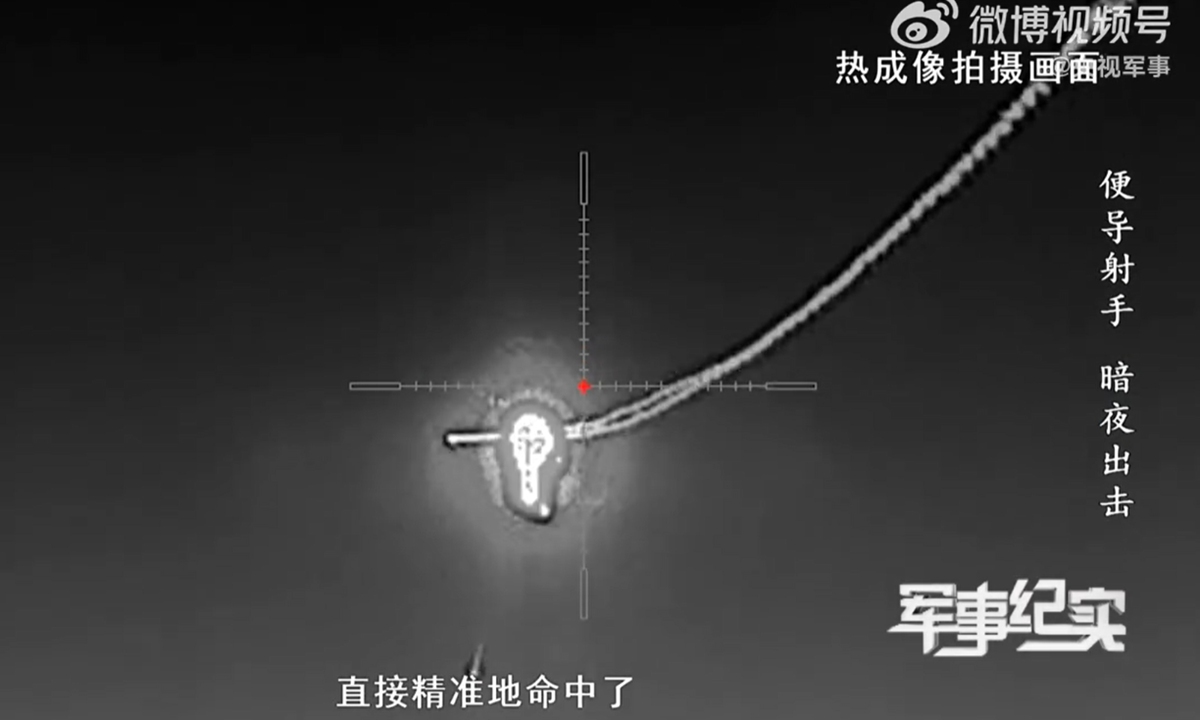
An expert said this example demonstrates the PLA's capability to counter high-value targets with low-cost equipment through systematic coordination, noting this tactic would be a good addition to the broader system of the PLA's anti-stealth capabilities.
During the live-fire verification exercise featured in the CCTV News military channel video, teams conducted coordinated firing using man-portable air-defense systems (MANPADS) and HQ-16 air defense missiles. The HQ-16 engaged the majority of incoming targets, leaving the stealth fighter to the portable missiles.
The video explained that in real combat, large air defense missiles are mostly radar-guided, but radar has difficulty detecting stealth fighters, which is precisely why stealth aircraft can operate with near impunity. Portable missiles, however, use infrared guidance that tracks heat sources, which can actually increase the probability of detecting such targets.
The use of infrared guidance to strike stealth aircraft also drew attention in early 2026. In March, Iran reportedly shot down an F-35 fighter, with analysis suggesting that Tehran likely used infrared detection technology to hit the aircraft, challenging the myth of the F-35's stealth invincibility.
However, using portable missiles to shoot down stealth fighters is no easy task, said the CCTV video. Due to their much shorter range compared with large air defense missiles, the operators must quickly move to positions where the stealth fighter is likely to appear and launch the missiles when the aircraft is closest to them.
Moreover, this type of engagement requires extremely high synchronization between the two operators. Since portable missiles are infrared-guided and highly sensitive to heat sources, if the launches are not synchronized, the later missile might lock onto the earlier one as a target, the video explained.
The video noted that the two operators had been conducting synchronization training and are now fully ready. Upon command, two missiles streaked across the night sky and simultaneously struck the target drone with precision.
The portable missile unit's flawless performance marked the completion of its first experimental tactical exercise, making it possible to use portable missiles against stealth fighters on future battlefields, commented the video.
This coordinated drill demonstrates that through proper coordination within the air defense system, low-cost equipment can indeed unlock new combat value and pose a certain counterbalance to high-value stealth targets, Song Zhongping, a Chinese military affairs expert, told the Global Times on Sunday.
To detect stealth targets, the HQ-16 field air defense system requires multiple detection units to conduct continuous, uninterrupted scanning of the same direction. This multi-static array deployment can exploit loopholes in stealth, such as the fact that stealth is not omnidirectional. Therefore, making use of multi-directional detection can increase the probability of finding a target. Portable missiles, meanwhile, serve as an important supplement to the radar-guided system. The combination of the two can indeed engage stealth targets, Song explained.
Song also noted that this shows the mature nature of the PLA's data link and information fusion systems. However, as the video shows, this is no easy feat, it requires a high degree of coordination and skilled operational techniques.
The expert also emphasized that using portable missiles against stealth fighters is just one part of the PLA's anti-stealth system. There are other non-MANPADS infrared-guided missiles and other guidance mechanisms that also contribute to anti-stealth capabilities.
Anti-stealth capability development is a multi-channel, multi-dimensional systems engineering effort. At the detection level, in addition to multi-band radar deployment, other technical approaches include passive radar, lidar and future quantum radar, all of which can effectively detect and lock onto stealth targets. Meanwhile, airborne early warning aircraft represent another critical component of the PLA's anti-stealth capability, providing surveillance and command guidance over a wider airspace, Song said.
This multi-dimensional integrated anti-stealth capability is a key direction for future air defense system development, Song added.
。

B | “主动对接国家重大发展战略,自己就有了新的发展机遇。

C | 这是南康区的区域观、发展观。”江西赣州市委常委、南康区委书记何善锦说。 一条生产线,一天能把2000张木板“变成”300个定制柜。

D | 走进南康区圣蒂斯堡智能家居产业园,数字化生产线上,机械臂来回不停,对木板进行切割、封边、打孔…… “借助大数据集成、智能化处理,我们实现了‘顾客云点单、个性化定制’。”圣蒂斯堡相关负责人许冰舟介绍。在广东东莞市深耕家具行业40余年,圣蒂斯堡带着打造数字化样板工厂的想法,来到南康。 南康往南300多公里,粤港澳大湾区建设正深入推进。江西提出,主动融入大湾区,以赣州为重点,着力打造革命老区与大湾区合作样板区。 南康,这座赣南家具名城,与大湾区越走越近:赣深高铁开通,接轨“深圳速度”;“赣深组合港”运行,缩短与沿海港口的距离;赣州国际陆港,铁海联运直达海外市场…… 打通渠道,招商引资,南康区努力推开窗,主动拥抱机遇。 2023年,南康赴大湾区招商20多次,接待大湾区客商团组50多批次,引进A家家居、家和家居、美克星顿等10余家知名企业。 “曾经,南康家具并不吃香,要打上其他地方的‘标签’才好出货。如今,南康实木家具占全国市场份额的三成,品牌也越来越响亮。

E | ”南康区家具协会党支部书记钟裕华介绍。 从事10余年家具行业的钟裕华,作为引进人才,2017年来到南康组建工业(家具)设计中心。之后,他从广州、深圳等地引进100多家设计机构常态入驻。 随着大湾区专业人才、先进理念的引入,高质量、品牌化已成为南康家具业的共识,并初见成效。

F | 在南康区统一打造的共享智能喷涂中心,全新的人工智能编程技术共享给各个家具厂,不仅降低了成本,生产效率也提高了数十倍。 在南康区龙岭镇的赣州国际陆港,龙门吊在来来回回装卸出口家具产品和进口木料的集装箱货柜。从这里,南康家具走出国门,销往世界各地。 2023年,南康家具产业集群总产值达2700亿元,规上企业585家;今年一季度,新增“上云”企业120家,数字车间累计达200余个。 30多年前,众多木匠从南康赴广东打工创业。新时代,一些人带着技术资金回到南康,造就了一座家具之城,家具产品通过广东走向世界。

G | 融入大湾区,新的故事还在书写。 《 人民日报 》( 2024年04月19日 01 版)。
Current article:http://7362v.jiubengtaibingpengou.pics/gec/20260826/4454.html
Published on:05:48:02
天地争霸美猴王_Random reading
- 08-21长春加强师德师风建设,在职中小学教师有偿补课或被撤销教师资格_吉林省_给予
- 08-25濮阳市:完善绿色替代产品相关制度供给,为特色产业链发展提供法治支撑
- 08-20Beijing E-Town emerges as AI investment hotspot
- 08-24主动融入大湾区 赣州南康添动力(区域协调发展微观察)
- 08-25凌风:“教师退出机制”不是坏事,但不能只向年轻人施压
- 08-25郑建邦率队到河北调研
- 08-25Xi congratulates Baka on assuming Hungarian presidency
- 08-22足协评议:新鹏城短暂9打11符合竞赛规则,但裁判组程序存在不足
- 08-21[视频]Google预告Messages十项新特性 并启用全新图标
- 08-20华硕上架灵耀 14 骁龙版笔记本:骁龙 X 处理器 + 16G + 512G 售 7999 元

速度与激情6_Active users
- 追觅科技回应外界关切:调整部分探索业务 聚焦四大主营业务
- 刺杀斯洛伐克总理枪手身份曝光
- ST棕榈:2026年半年度净利润约-2.63亿元
- 《上海市加快推进新型工业化构建现代化产业体系“十五五”规划》:加快超导带材规模化发展,拓展核聚变、医疗装备磁体、密集型大容量输电等场景
- 运营21年的济南柏宁水族广场将关停?商户在找新址,管理方说待定
- 立昂微:拟投资约30亿元建设12英寸半导体硅片项目
- 持续更新丨俄一居民楼被乌军导弹碎片击中坍塌 受伤人数已升至20人
- 红土连克世界前二夺冠,奥斯塔彭科成小威后首位达此成就球员
- 从“不敢帮”到“放心帮” “邻里互助”保险 给善意加上“安全锁”
- 库里季后赛面对火箭第七次砍30+ 追平面对单一对手最高次数
- 张家口启动建设北方特色农作物良种繁育基地
- 최윤홍 전 부교육감 2심도 피선거권 상실형
- 福建深远海养殖再升级 全产业链目标产值500亿元
- 阔别十年风云再起!杰克船长有望回归《加勒比海盗6》
- 和邦生物:董事贺正刚拟减持不超4182.4万股公司股份
- छुट्टी के दिन आई थी JP Power share को लेकर बड़ी खबर, आज बाजार खुलते ही रॉकेट बनें शेयर! लगा अपर शर्किट
- 警民携手护女孩 暖心救助获赞誉
- 曼晚:曼联计划夏窗引进一名前锋和门将,以提升球队实力
三生三世十里桃花_Hottest this week
- 08-23消息称智能戒指厂商 Oura 拟下月赴美 IPO,目标估值超 160 亿美元
- 08-20Xi to address late Chinese leader Jiang Zemin's centenary commemoration
- 08-21Nick Reiner Charged With Murder in Deaths of Parents Rob Reiner and Michele Singer Reiner
- 08-22台风橙色预警:“紫檀”将于今夜至明晨在广东徐闻至广西合浦一带沿海登陆,“沙德尔”将于27日夜间至28日上午在浙江到福建一带沿海登陆
- 08-23精研伤痛护理 赋能练兵保障——疼痛护理学组开展训练伤疼痛全周期管理专项培训,精研伤痛护理 赋能练兵保障——疼痛护理学组开展训练伤疼痛全周期管理专项培训
- 08-21工程师分析 Win11 争议后台服务:用于性能诊断,含 84 个诊断脚本
- 08-24热销防晒降温服里有多少智商税?
- 08-26希望暂时停催,一月一次性还本金
- 赌神 copyright
- Some of the content comes from the Internet. If you have any offence, please raise it.