
待产孕妇跳楼身亡
Chinese Embassy firmly rejects NZ intelligence report hyping 'Chinese interference,' says claims rife with Cold War thinking_我的网站

一 |

China has firmly rejected and condemned a new annual report by the New Zealand Security Intelligence Service on Friday which once again fabricates and sensationalizes claims about so-called "Chinese interference" and "China threat," stressing that the report is rife with Cold War thinking and contains unfounded accusations against China.
This report is clearly linked to a series of recent negative developments in New Zealand's China-related policies, a Chinese expert told the Global Times on Friday.
Recently, New Zealand has continuously toughened its rhetoric toward China, which to some extent reflects a form of "compensatory hawkishness" aimed at demonstrating its reliability within the Five Eyes alliance, Chen Hong, director of New Zealand Studies Centre, East China Normal University, told the Global Times. "Rather than reflecting 'strategic confidence,' this trend may reveal a sense of 'identity anxiety,'" Chen said.
The New Zealand intelligence agency claimed in the report released on Thursday that China is the only nation pursuing espionage in New Zealand at scale, Radio New Zealand reported. It also claimed that such activity posed threat to New Zealand, which is the "most challenging of recent times."
Many of its unfounded accusations against China either maliciously label normal exchanges, communication and cooperation as so-called espionage or interference activities, or are simply baseless fabrications. China absolutely rejects and firmly opposes this, the Chinese Embassy in New Zealand said in a statement released on Friday.
The release of this report at this time is part of a new round of attacks, smears and vilification of China orchestrated by certain international forces. In itself, the report may well be the result of foreign interference, the embassy said.
In June, security agencies from the "Five Eyes" alliance issued a warning, claiming that Chinese spies used online job platforms to recruit people with access to sensitive information, according to a Reuters report.
For now, the annual report has further escalated its rhetoric, effectively creating a chain in which the Five Eyes' warnings and New Zealand's domestic threat assessments reinforce and echo each other, the Chinese expert said.
The Lowy Institute said in a latest article on Thursday that New Zealand had long been considered the weakest link in Five Eyes and the easiest for China to try to cow. "But New Zealand has now called out China by name in its intelligence warnings so often that officials joke it has become tougher on Beijing than Australia is," the article said.
The extent to which New Zealand's intelligence agencies have publicly singled out China has in fact gone further than Australia's, which, I think, represents a compensatory hardline posture, Chen noted.
"New Zealand wants to demonstrate that it is a very active and very tough member of the Five Eyes. In fact, we have recently seen New Zealand take a high-profile stance on issues ranging from Pacific Island countries and China's relations with South Pacific and South China Sea nations to China's missile tests and other China-related issues. All of these developments can be viewed in the context of this policy shift," the expert said.
This suggests that some forces within New Zealand's security and foreign policy establishment are consciously trying to demonstrate that New Zealand is not a weak link in the Five Eyes alliance, but rather an active participant, Chen added.
The report also reflects the fact that some people both within and outside New Zealand do not want to see China-New Zealand relations develop positively. By going to great lengths to spread rumors, they seek to drive a wedge between the peoples of the two countries, create a chilling effect among the public, including overseas Chinese, undermine bilateral mutual trust, and obstruct the development of bilateral relations, the embassy noted.
Their actions serve geopolitical purposes and the narrow, short-sighted political interests of certain forces. Their intentions are clear to anyone with insight, and their objectives will not succeed.
The embassy also noted that the essence of China-New Zealand relations is mutually beneficial cooperation and win-win outcomes. In recent years, with the joint efforts of both sides, bilateral relations have made steady progress. Bilateral trade has repeatedly reached new highs, bringing substantial income and employment opportunities to New Zealanders.
People-to-people exchanges have continued to grow, with the numbers of tourists and international students increasing steadily, promoting mutual understanding and closer ties between the peoples of the two countries. The overseas Chinese community in New Zealand has played a unique and important positive role in this regard.
Since China introduced a unilateral visa-free policy for New Zealand, many New Zealand tourists have visited China, witnessing firsthand China's development achievements and openness and inclusiveness, the embassy said.
As a result of various factors, New Zealanders' understanding of China has become more comprehensive and objective in recent years, while favorable views of China and support for China-New Zealand relations have continued to rise
The embassy also warned those forces and individuals attempting to engage in political manipulation: Do not undermine the hard-won, mutually beneficial and win-win China-New Zealand relationship for your own selfish interests, thereby harming the interests of New Zealand and its people.
Acting as pawns for anti-China forces internationally will ultimately prove counterproductive. Creating controversies in foreign relations will not solve New Zealand's problems; it will likely only make matters worse, the embassy said, urging these forces and individuals not to resort to desperate measures that will ultimately harm themselves, or lift a rock only to drop it on their own feet.
China attaches importance to its relations with New Zealand and is willing to work with the New Zealand side, on the basis of the consensus reached by the leaders of the two countries, to advance exchanges and cooperation in various fields, including political mutual trust, practical cooperation and people-to-people exchanges, and to better benefit the peoples of both countries, the embassy said.
However, the development of China-New Zealand relations does not depend on China alone. We hope the New Zealand side will work in the same direction as China, rather than the opposite. Otherwise, the New Zealand side will bear responsibility for any consequences arising from such a course of action, it noted.
。

二 | 张家口的调查组已经进入现场,老胡相信这件事将很快被查清来龙去脉,肇事者将受到严厉处罚。“甲醛白菜”从2012年进入人们视野以来,中间经过14年,就是根除不了。这是因为用甲醛保鲜成本低,诱惑力极大,再重的舆论声讨和处罚风险,也挡不住被抓住低概率和高回报对不法之徒的诱惑。北方地区因为产大白菜,运输多为短途,吃到“甲醛白菜”的几率比较低,但远离大白菜主产区的地方,这个风险的“幽灵”时不时就会出没。

三 |
 据多家媒体采访业内人士和专家得出的估算,一桶工业甲醛不过几十块钱,能让一车十几吨的白菜多撑两三天,刚好覆盖跨省远途运输的窗口期。

四 | 在白菜这种按“分”算利润的农产品里,省下的那些钱都是中间商实打实的纯利,有的商贩就因利弃义了。然而一些专家指出,很多人以为保鲜只有两条路:要么用甲醛这种邪招,要么全程上冷藏车。但其实中间还有一条“准冷链”。上海市农业科学院研究员乔勇进接受媒体采访时表示:“大白菜含水量达95%,采摘后呼吸旺盛,采后预冷是十分关键的环节。

五 | 通过差压预冷等技术,可以在24小时内使菜体中心温度降至0—1℃。”《中国蔬菜》等专业媒体表示,蔬菜在经过预冷之后,用竹筐、夹冰瓶等把这份“冷气”尽量长久地锁住,就能延长一定保质时间,这样普通货车也能跑。10吨菜用甲醛是几十块,用这套“准冷链”多花几百块钱,摊到每公斤也就多花几分钱,从河北运到长三角,零售一斤也就贵不到一毛钱。老百姓完全承受得起,也愿意花。但是要把“准冷链”运输搞起来,中间商自己搞不了,田头要有冷库,大白菜装车点得有快检甲醛倒逼,到了消地批发端商家得认,而不是看菜根白不白。

六 | 现在北京上海等一线城市防“甲醛白菜”做得比较好,倒逼力量强大,蘸了甲醛的白菜一般不太敢往那些地方运。

七 | 然而只要市场配合不完善,监督体系不完整建立起来,使用甲醛保鲜的邪招就能找到可以钻的缝隙。

八 |
 有人提议在康保这类夏菜外运大县,可考虑利用现有产地冷藏保鲜设施补贴,多在村口建共享预冷点,那样收购商就可以在砍菜后一小时内,把菜温从25℃降到4℃,按吨付几块钱。呼吸热一降,后面加冰筐就行,“准冷链”成本直接压到几百元以内。根据《中国农产品产地冷链物流发展报告(2024)》显示,“十四五”期间,全国产地冷库库容预计新增约2亿立方米,建设培育了1000个具有仓储保鲜等能力的产地冷链集配中心,产地“最先一公里”的冷链设施正走向田间地头。

九 | 第二,装车点要强制快检。有律师接受记者采访时表示:“甲醛属于违法添加的非食用物质类型,虽然能够保鲜,但会导致食品安全产生风险。”尽管甲醛快速检测试纸的结果可能受到样品和操作条件等因素影响,但便于初筛,所以应该在田头收购点配几块钱一条的试纸,装车前随机抽,一旦发现问题,最终核验确切检出,就用刑责兜底,整车扣押,按生产销售有毒有害食品查办,而不是罚几千块钱了事。那样一来违法代价的预期就会变成倾家荡产。第三,专家们建议,要让中间商更有动力守规矩。销地批发端要对持有“无甲醛检测合格证”的合规菜品给予微量溢价,一车多回几百块钱,刚好覆盖“准冷链”的花费。那样一来,转运经销商结账后会发现“不蘸甲醛比蘸甲醛赚得多”,不用劝,他们自己就会全都把甲醛桶踢了。第四,消费者看得见“无甲醛”才愿意一斤菜多付一毛钱左右。商超菜场应该有最终确认大白菜经过了上述合规转运的能力,应建立严格溯源码制度,要标到产地的镇、标到运输的车、标到菜的批次,有了这一套保障,让大家多花几分钱或一毛钱买一斤大白菜,我相信很多人都会很开心。意愿变成实际溢价,钱才能顺着链条流回田头。从长远看要彻底解决甲醛问题,这四根柱子缺一不可。只建共享冷库,没有甲醛快检,商贩就会绕开;只有快检,但是没有溢价,合规者就会吃亏;只溢价不溯源,钱可能被中间某个环节截走,结果是消费者被耍。
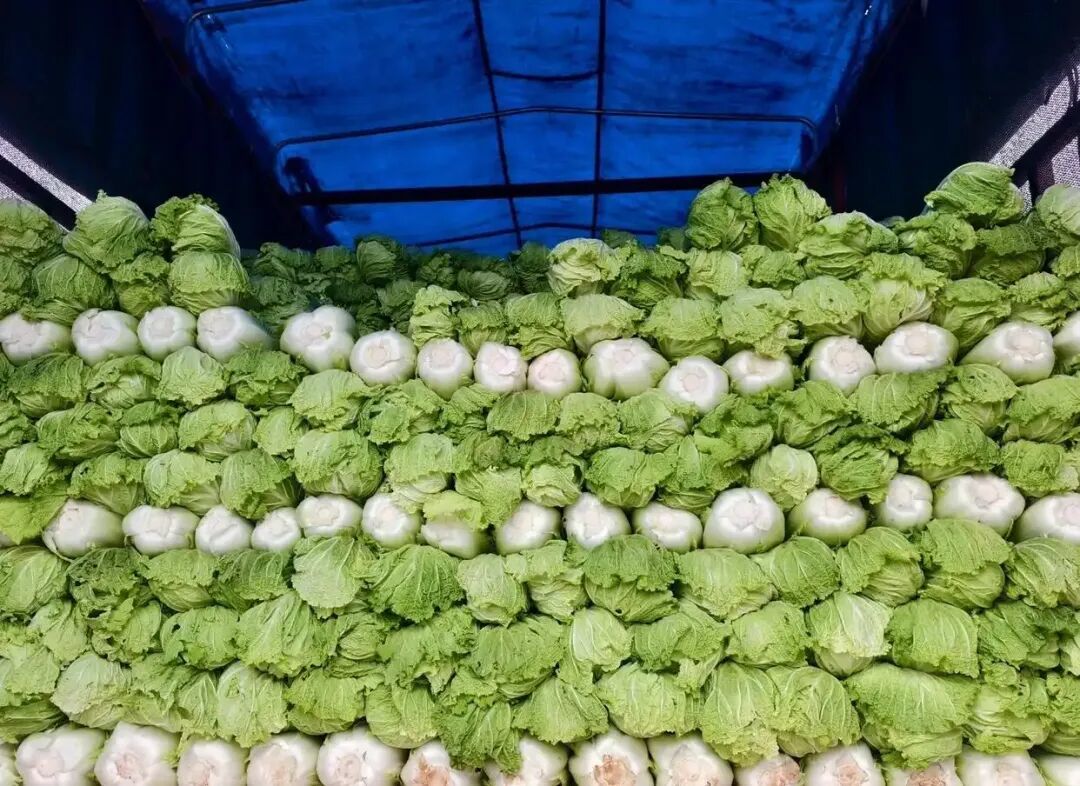 现在北京新发地等全国一线城市大型农产品批发市场的做法越来越严格,总体看,中国的食安水平是不断往前走的,我们无需因为又出了一次“甲醛白菜”事件就过度灰心,我们要做的是以解决每个出现的问题为导向,形成食品安全建设的真实加速度。

十 | 发达社会的重要标志之一就是食品安全的保障性,大幅提升市场销售蔬菜的可溯源性非常高,很细致。而推动食品安全体系不断建立起来的动力是人们的强烈要求以及总的生产力水平的提高、人们也有能力消费更加安全的食品。

十一 | 老胡认为今天的中国已经到了这样的转折点,加强食品安全并非我们社会的负担,而是新的发展机遇和动力。

十二 | 让我们的整个生产和供应链,都拒绝以牺牲安全为代价朝着低价卷,而要朝着公众能够消费得起的更高食安水平向上竞争。无论是“甲醛白菜”还是“毒草莓”,都应该彻底退出中国人的餐桌了。

十三 |
Current article:http://7362v.jiubengtaibingpengou.pics/list_xxgg/k3zt9.html
Published on:19:57:32